Car Care & Maintenance

ceramic coating for cars
Car Care & Maintenance

Ceramic Coating for Cars: Benefits, Limits and Care Tips

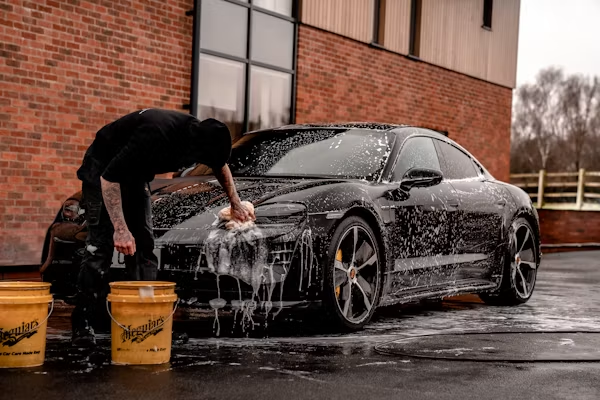
Ceramic coating for cars has become a topic for owners who want a glossy finish and easier cleaning. What does ceramic coating actually. Is ceramic coating right for your car? The term ceramic coating can describe products from professional coatings applied by a detailer to consumer spray products. The application methods and durability vary,. It is important to read the product label and understand what you are buying. Ceramic coating can help protect paint from some contaminants and make routine washing easier but ceramic coating cannot prevent every kind of damage.  What is ceramic coating for cars? Ceramic coating is a product applied to a vehicle’s exterior surface. Depending on its formulation ceramic coating creates a layer that can improve gloss and change how water behaves on the paint. Some ceramic coating products are intended for application; others are designed for at‑home use. The word ceramic on a label does not tell you by itself how long ceramic coating will last or how much protection ceramic coating provides. Check the directions recommended surfaces, curing time and maintenance requirements. If a ceramic coating product makes a durability claim refer to its manufacturer’s instructions for the conditions behind that claim. What are the benefits? One reason drivers consider ceramic coating is maintenance. A slick water‑repellent surface can help water and loose dirt move off the paint readily. The result may be a vehicle that’s easier to wash and has a glossy appearance. Ceramic coating may also provide a barrier between the paint and some environmental contaminants. This can give you time to clean substances such as bird droppings or tree sap before they affect the finish. Ceramic coating does not make the car maintenance‑free: contaminants should still be removed promptly. Regular washing remains important. A professional ceramic coating and a consumer spray ceramic coating are not necessarily equivalent. They may differ in preparation, application process and expected performance. Compare the ceramic coating product instructions instead of assuming every item described as ceramic works the same way. What ceramic coating cannot do Ceramic coating is not a force field. Ceramic coating does not make paint scratch‑proof prevent stone chips or protect against dents and deep scratches. For impact protection a different solution such as paint protection film may be worth discussing with an installer. Ceramic coating also won’t repair paint remove swirl marks or hide existing scratches. If the surface needs correction that work generally has to happen before applying coating. Ask a professional to assess the paint if you’re unsure whether it needs polishing or repair. These distinctions matter because online videos and product claims can make coating seem like an all‑in‑one fix. Ceramic coating can support paint maintenance. Careful washing and realistic expectations still matter. Gtechniq’s coating guide also explains that ceramic coating doesn’t prevent stone chips. Should you choose DIY or professional application? A consumer spray ceramic coating may suit drivers looking for a way to add gloss or water repellency at home. Follow the label closely use it on approved surfaces and work in the conditions specified by the manufacturer. Professional application may be preferable if you want a ceramic coating product that requires paint preparation or careful curing. A detailer can inspect the paint prepare the surface and explain the maintenance routine. Before booking ask what ceramic coating product will be used what preparation is included what surfaces are covered and what care the vehicle will need afterwards. The right choice depends on your budget how you use your car and the type of result you expect. Don’t choose by the word alone; look at the ceramic coating product’s instructions and the service details.  How to apply a consumer ceramic spray Application steps differ by ceramic coating product. The label should always take priority. In general a consumer spray ceramic coating calls for a dry surface and careful even application. 1. **Wash the car first.** Remove dirt and grime before applying any ceramic coating protection. A dedicated car shampoo is a choice for vehicle paint, than household detergents, which may affect existing protective layers. Autocar India’s cleaning guide recommends using car shampoo formulated for surfaces. 2. **Dry the surface.** Water that remains can influence how the coating is applied and may create streaks depending on the coating. 3. **Work in conditions.** Follow the label’s guidance on temperature, shade and ventilation. Avoid applying the coating if the instructions say the surface must be cool or out of sunlight. 4. **Apply an amount.** Use the recommended applicator and work in sections. More coating does not necessarily mean results. 5. **Buff or wipe as directed.** Use a microfiber cloth if the coating instructions call for one. Check for residue or streaks before moving to the panel. 6. **Allow the coating to set.** Respect the recommended curing time. Avoid water exposure for the period specified on the label. If you are not sure a coating is suitable for your car’s paint or finish check with the manufacturer or a professional detailer before applying the coating. How to maintain coated paint A coating still needs care. Wash the car when it is dirty use products suited to paint and avoid wiping dust across a dry panel. Use microfiber towels and separate cloths for dirtier areas such as wheels. Bird droppings, insects and tree sap are easier to deal with when cleaned rather than later. Use a cleaner and follow its instructions instead of scrubbing aggressively. If water stops behaving as expected on the surface that alone does not prove the coating has failed; dirt, residue and the coating’s maintenance needs can affect water behaviour. Always check the coating manufacturer’s care recommendations. Some coatings specify shampoos, maintenance sprays or waiting periods after application. A professional coating may also come with a maintenance schedule from the installer.  Is coating for cars worth it? Ceramic coating for cars can be useful if you value gloss, easier washing and an added layer of paint maintenance. Ceramic coating is less suitable if you expect protection, from every […]
how to polish a car at home
Car Care & Maintenance

How to Polish a Car at Home: Easy Step-by-Step Guide

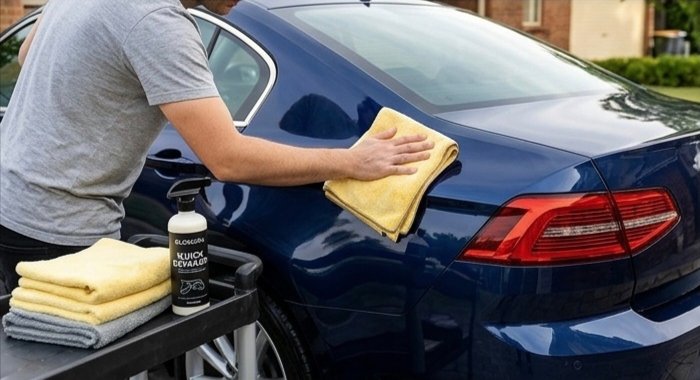
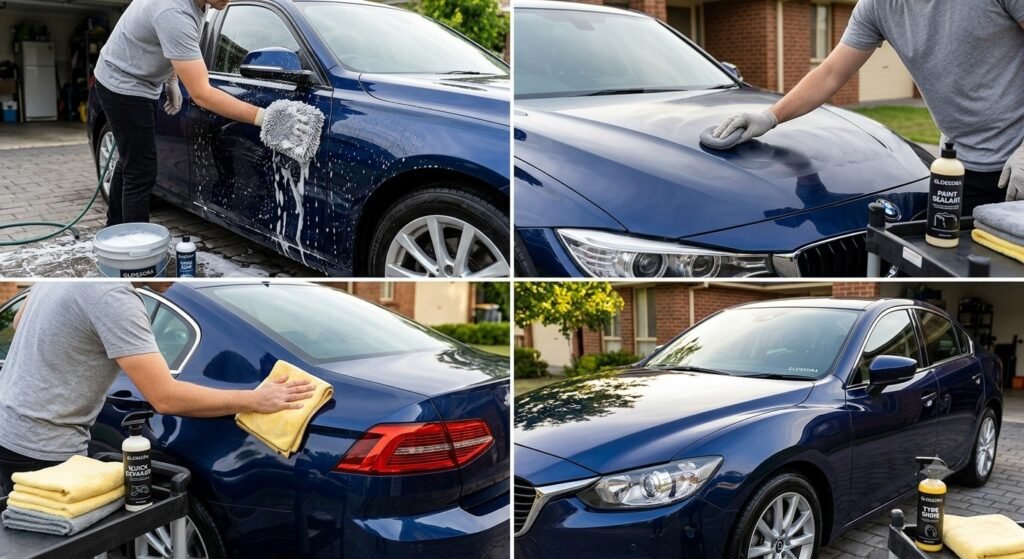
A shiny car can make even an older car look new. But just washing it regularly does not get rid of small swirl marks, dullness, oxidation and tiny surface problems. That is when car polishing can help. The good news is that you do not always have to go to a detailing place. With the products, tools and method you can learn how to polish a car at home and make your car look better yourself. In this guide we will explain the car polishing process for people who are new to it the tools you need common mistakes to avoid and how to keep your car shiny after polishing. What Is Car Polishing? Car polishing is a paint care process that is meant to make the outside of the vehicle look better and improve the shine. Depending on the product and the way you do it polishing can help make light swirl marks, surface haze and small problems look less. It is important to know the difference between polishing and protecting your paint. A polish is mainly used to make the paint look better. Protection is usually done after with products like wax, paint sealants or ceramic coatings. For scratches or big paint damage polishing alone might not be enough. Why Should You Polish Your Car? Indian cars are often in dust, sunlight, pollution, rain and get washed a lot. Over time these things can make the paint look less shiny. Some reasons to polish your car include: – Paint that looks – Small swirl marks – Tiny surface problems – Loss of shine – Light oxidation – Water spots – Preparing the paint before adding protection But polishing should not be something that you do every few weeks. Products used for paint correction can take away a little of the coat so you should not do it too much. What Do You Need to Polish a Car at Home? Before you start get all the things you need. 1. Car shampoo Start with a car shampoo to get rid of dirt and bad stuff on the surface. 2. Microfiber wash mitt A clean microfiber mitt helps keep the chance of making more marks low. 3. Microfiber towels Have clean microfiber towels ready for drying and rubbing. 4. Car polish Choose a polish that matches how your paint looks. Beginners should start with a product instead of something strong right away. 5. Applicator pad A foam or microfiber pad can be used when you polish by hand. 6. Optional dual-action polisher A DA polisher can make polishing big areas easier and more even. Beginners should learn the right way to use it before using a machine. How to Polish a Car at Home: Step-by-Step Step 1: Wash the Car Never polish a dirty car. First wash the car with water and car shampoo. Focus on places where dirt builds up like the bottom of the doors the wheel area and the back bumper. After washing rinse the car well. Step 2: Dry the Paint Use a clean soft microfiber towel. Do not let water sit on the paint while you start polishing. The surface should be clean and dry. Step 3: Check the Paint Take a few minutes to look at the paint with light. Look for: – Swirl marks – Small scratches – Water spots – Oxidation – areas – Dirt This step is important because not every paint problem needs the same product. Step 4: Do a Test Spot This is one of the important steps for new people. Pick an area on the car and put your polish on it. Check the result before polishing the car. If the look gets better without making a haze or new marks you can keep going with the product. Step 5: Put on the Polish If you are polishing by hand put an amount of product on the pad. Work on an area at a time. Use overlapping moves and do not press too hard. There is no need to put polish over the car at once. Step 6: Rub the Residue After you work the product as the instructions say take off the residue with a microfiber towel. Turn the towel so that you are always using a part. Do not use much pressure while wiping. Step 7: Check the Finish Look at the panel from angles and under different lights. If the look is good move to the area. If the problem still shows, do not immediately try a product. First see if the problem can actually be fixed by polishing. Some scratches are too deep for polish alone. Step 8: Protect the Paint After polishing think about putting on a paint protection product. Depending on what you like this could be: – Car wax – Paint sealant – Ceramic coating Polishing makes the paint look better and protection helps keep that look. Can You Polish a Car by Hand? Yes. Polishing by hand can work for areas and light problems. It also lets new people learn the process without buying a machine away. Polishing by hand can take longer especially for big cars. For jobs a dual-action polisher can help more if used right. Car Polish vs Rubbing Compound: What’s the Difference? These products are often mixed up. A rubbing compound is usually stronger and used for paint problems. A polish is usually for problems and making the finish better. A simple way to think about it is: Compound → fixes bigger issues Polish → makes the finish better and shiny If you are not sure about your paint start with the option and try a small spot first. 7 Common Car Polishing Mistakes 1. Polishing a car Dirt and dust can cause more scratches when you work the product into the paint. 2. Working in the sun paint can make the product harder to work with and take off. 3. Using much product More polish does not mean better results. Much can make the […]

car care products in India
Car Care & Maintenance

Car Care Products in India: A Complete Guide to Keeping Your Car Clean, Shiny and Protected

Owning a car in India brings challenges such as dust, pollution, harsh sunlight, monsoon rain, hard water and shifting weather. A simple wash can lift surface dirt yet proper Car Care Products go beyond just dropping a vehicle at a wash centre. Car Care Products in India can help a driver keep a vehicle clean keep its shine and guard surfaces from everyday environmental damage. Whether a driver is to car ownership or simply enjoys a vehicle that looks brand‑new understanding various Car Care Products makes maintenance easier and more effective. Why Is Car Care Important in India? I have seen how dust and pollution settle on paint. Indian roads and weather can be tough on a car’s interior. Dust and pollution can settle on a paint surface. Harsh sunlight and UV exposure can slowly change how exterior plastics and paint look. In the monsoon rainwater and contaminants can leave water spots and deposits if not cleaned properly. Regular Car Care Products help remove contaminants before they build up and keep a vehicle looking cleaner for a time. Good car maintenance is not about appearance. Keeping surfaces clean and protected can also help keep a vehicle in overall condition. What Are Car Care Products? Car Care Products are items made to clean, maintain, enhance or protect surfaces of a vehicle. Depending on your needs Car Care Products can include: – Car shampoo and cleaners – Car polish – Car wax – Ceramic coating products – Dashboard cleaners – Interior cleaners – Tyre polish and dressing – Plastic and trim protectants – Glass cleaners – Microfiber towels and applicators Each Car Care Product has a purpose. Picking the Car Care Product for the right surface is essential for good results. 1. Car Polish for Shine and Surface Care One of the commonly searched Car Care Products in India is car polish. A quality car polish can improve a painted surface by adding gloss and giving a vehicle a more finished look. Before applying any polish a vehicle should be. Dried properly. Dirt or loose particles left on a surface can cause scratches when the polish is worked into paint. If a driver regularly maintains a car at home an easy‑to‑use polish can be an addition to Car Care Products routine. 2. Tyre Polish for a Cleaner Finish Tyres can quickly lose a look because they are exposed to road dust, mud and moisture. A dedicated tyre polish or tyre dressing can restore a cleaner finish. Before applying tyre dressing clean a tyre fully. Let it dry. Apply the product evenly not much. Besides improving appearance regular tyre cleaning also helps spot cracks, unusual wear or other visible problems. 3. Dashboard and Interior Care Car Care Products are not limited to the exterior. The dashboard, door panels and other interior surfaces can collect dust and fingerprints. A suitable car interior cleaner or dashboard polish can keep a cabin clean and fresh. Avoid using household chemicals on automotive surfaces. Different materials such as plastic, vinyl, leather and fabric may need Car Care Products. Always check a Car Care Product’s instructions. Test it on a small hidden area when needed. 4. Ceramic Coating and Paint Protection Car owners who want paint protection may consider ceramic coating Car Care Products. A ceramic coating creates a layer over paint. Depending on the product and application it can make water slide off add gloss and resist some contaminants. However a ceramic coating does not mean a vehicle never needs washing or maintenance. Regular cleaning remains important, for keeping a layer’s appearance and performance. 5. Don’t Ignore Microfiber Towels Even the best Car Care Products can give results if a driver uses poor‑quality cleaning tools. Microfiber towels are used for washing drying and applying or removing detailing products because they are soft and pick up dust and moisture. It is also important to keep towels for different jobs. For example a towel used for wheels and tyres should not later be used on a painted body. This simple habit can reduce the chance of transferring dirt onto surfaces. Common Car Care Mistakes to Avoid Many car owners sometimes harm the look of their vehicle by using cleaning methods. Washing in direct sunlight sun can make water and cleaning products dry fast which may leave marks or leftover dirt. Using household detergents Household detergents are not always made for car paint and other surfaces. Using one cloth everywhere Using the same dirty cloth on wheels, tyres and paint can move rough particles onto the body. Applying products without cleaning the surface wax or protective products should usually be put on a clean surface following the makers instructions. Using much product More product does not always mean better results. Use the amount and method that are recommended. How Often Should You Use Car Care Products? There is no schedule that works for every vehicle. Your routine should depend on factors such as: – How you drive – Where you park your car – Exposure to sunlight – Road dust and pollution – Weather conditions – How often the car is washed – The type of protective products already applied For everyday cars washing regularly and polishing sometimes plus protecting surfaces can keep the car clean and shiny. Choosing Car Care Products in India When picking car care products in India think about more than the price. Look for products that: – Clearly state how they are meant to be used – Are suitable for the specific surface – Have application instructions – Are easy to use – Match your vehicle maintenance needs – Come from a brand that provides proper product information A good car care routine does not need many products. A few chosen car care products used correctly can be better than having a lot of products that you rarely use. Why Choose Glossora for Car Care? Glossora aims to make everyday car care easier for vehicle owners. From keeping the shiny to caring for all parts […]

Car polish for a shiny car
Car Care & Maintenance

Car Polish: The Complete Guide to a Cleaner, Shinier and Better-Protected Car

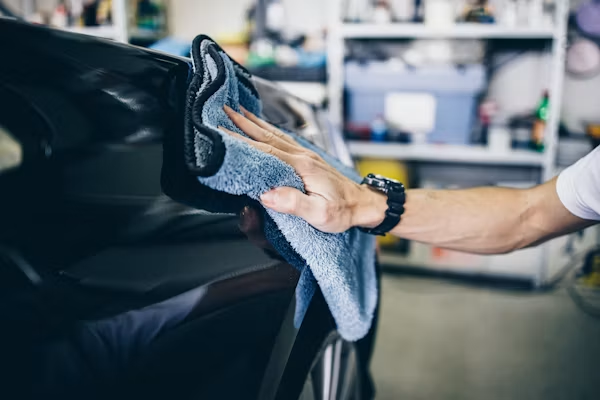
Your car’s paint goes through a lot every day. Dust, sunlight, pollution, rain, bird droppings, road grime and water spots can gradually make the paint look dull and tired. Regular washing removes surface dirt, but washing alone may not always bring back the smooth, glossy appearance of your car. This is where car polish can help. Car polish is designed to improve the appearance of a vehicle’s painted surfaces by enhancing gloss, removing or reducing the appearance of minor imperfections, and leaving the surface looking cleaner and smoother. With the right product and application method, polishing can become an important part of a regular car care routine. What Is Car Polish? Car polish is a car care product used on painted exterior surfaces to improve their appearance. Depending on its formulation, a polish may contain cleaning agents, mild abrasives, gloss-enhancing ingredients or protective components. It is important to understand that car polish and car wax are not always the same thing. Polish is generally associated with improving the condition and appearance of the paint, while wax is primarily used to provide a protective layer and enhance shine. Modern car care products may also combine multiple functions, making them convenient for everyday vehicle maintenance. Why Does Your Car Need Polishing? Indian road conditions can be particularly challenging for vehicle paint. Dust and pollution can settle on the surface, while strong sunlight can gradually affect the appearance of the paint. During the monsoon, rainwater and contaminated water can leave marks and deposits. Over time, these factors can make your car appear less glossy. Regular polishing can help improve the visual appearance of the paint and restore some of the shine that gets lost through everyday use. Some common reasons car owners use polish include: – Improving paint gloss – Making the surface look cleaner – Reducing the appearance of minor surface marks – Removing light oxidation or dullness – Improving smoothness and shine – Preparing the surface for additional protection However, polish is not a magic solution for deep scratches, damaged paint or major defects. Serious paint damage may require professional detailing or paint correction. How Often Should You Polish Your Car? There is no single polishing schedule that works for every vehicle. It depends on the car’s condition, the type of product being used and how frequently the vehicle is exposed to harsh conditions. For a regularly maintained daily-use car, polishing occasionally may be enough. Over-polishing can also be unnecessary, particularly when using abrasive products, because repeated aggressive polishing can remove a small amount of the clear coat. For everyday maintenance, focus on proper washing, drying and surface protection. Use polishing when the paint needs additional attention rather than treating it as something that must be done every week. How to Polish a Car Properly The application process is just as important as choosing the right car polish. 1. Wash the Car Thoroughly Always begin with a clean surface. Wash the vehicle using a suitable car shampoo and clean microfiber materials. Avoid rubbing dirt aggressively against the paint because trapped dust particles can create additional scratches. 2. Dry the Surface After washing, dry the car using a clean microfiber drying towel. Do not allow large amounts of water to remain on the surface while applying polish. It is also better to work in a shaded area rather than under strong direct sunlight. 3. Apply a Small Amount of Polish Apply a small amount of product to a clean applicator pad or microfiber cloth. You generally do not need a large quantity. Work on one small section at a time rather than trying to polish the entire car at once. 4. Spread the Product Evenly Gently spread the polish across the panel using the recommended technique mentioned on the product instructions. Avoid excessive pressure unless the product specifically requires it. 5. Buff the Surface Once the product has been worked according to its instructions, use a clean microfiber cloth to buff the surface. The result should be a cleaner-looking and glossier finish. Common Mistakes to Avoid Using the right car polish is only one part of proper car care. Many problems happen because of incorrect application. One common mistake is polishing a dirty car. Dirt and dust trapped between the cloth and paint can cause unwanted marks. Another mistake is using an old or dirty cloth. Microfiber towels should be clean and free from contaminants before they touch the paint. Applying too much product is also unnecessary. More product does not automatically mean more shine. Finally, avoid polishing in extremely hot conditions or direct sunlight unless the product specifically allows it. Heat can cause products to dry too quickly and make application more difficult. Car Polish for White, Black and Other Colours Different paint colours can show imperfections differently. Black and darker cars often make swirl marks, dust and water spots more visible. A good polishing routine can therefore make a noticeable difference in their appearance. White cars may hide some minor scratches but can show contamination, tar spots and certain stains more clearly. Regardless of colour, the basic principles remain the same: clean the surface properly, use suitable products and avoid aggressive rubbing. Does Car Polish Protect Paint? This depends on the specific formulation. Some products focus mainly on cleaning and gloss enhancement, while others may leave behind a degree of surface protection. If long-lasting protection is your main objective, dedicated products such as waxes, sealants or ceramic coatings may be more appropriate. Always check the product description and instructions to understand what level of protection a particular polish provides. Choosing the Right Car Polish When choosing a car polish, consider your vehicle’s paint condition, the type of finish you want and how you plan to apply the product. For regular car owners, an easy-to-use product can be more practical than a highly aggressive professional compound. Look for a product that clearly explains: – Suitable surfaces – Application method – Required quantity – Whether it can be applied by hand […]

7 Mistakes Every Indian Car Owner Makes
Car Care & Maintenance

Stop Ruining Your Car’s Paint: The 7 Mistakes Every Indian Car Owner Makes (And How to Fix Them)

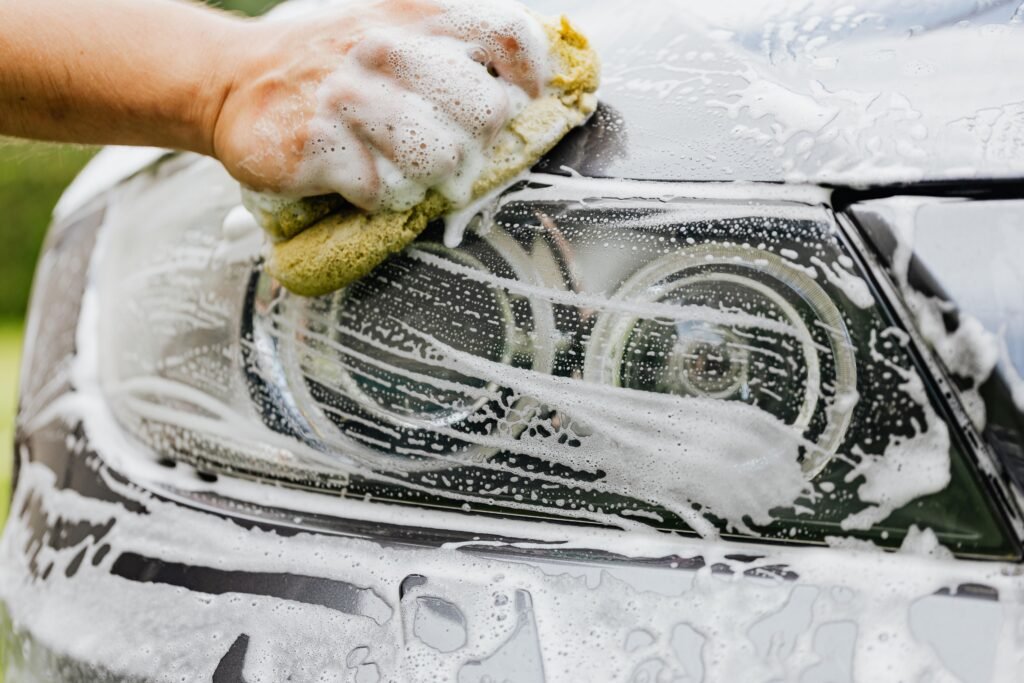
There’s a particular kind of heartbreak that comes with washing your car on a Sunday morning, stepping back to admire your work, and noticing a spiderweb of fine scratches glinting in the sunlight. You didn’t mean to damage your paint. You were trying to take care of it. But somewhere between the bucket and the drying cloth, something went wrong. You’re not alone. Most Indian car owners unknowingly damage their vehicles’ paint every single weekend—not through neglect, but through well-intentioned routines that quietly strip away gloss, protection, and resale value. The good news? Once you understand what’s actually happening to your paint, fixing it is simpler than you think. Why Indian Conditions Are Uniquely Brutal on Car Paint Before we get into the mistakes, it helps to understand what your car is up against. India’s driving environment—intense heat, dust, hard water, monsoon humidity, and stop-start traffic—puts more stress on paint and protective layers than almost any other market in the world. Dust settles on every surface within hours of washing. Hard water leaves mineral deposits that etch into clear coat if left to dry. Bird droppings and tree sap contain acids that can permanently stain paint in a matter of hours, not days. This means that the margin for error is smaller here than it is in milder climates. A washing technique that might be fine in a temperate country can cause visible damage in Indian conditions within months. The stakes are higher, and the details matter more. Mistake #1: Washing in Direct Sunlight It’s the most common mistake, and it’s the easiest to fix. When you wash your car in direct sunlight, the metal panels get hot. Soapy water dries before you can rinse it, leaving behind concentrated mineral deposits and chemical spots that bond to the paint surface. These spots don’t wash off with the next rain—they etch into the clear coat and require polishing to remove. The fix: Always wash your car in the shade, ideally early morning or late evening. Work panel by panel rather than soaping up the entire car at once. If you must wash in the sun, keep the surface wet continuously and dry each section immediately after rinsing. Mistake #2: Using the Wrong Tools Old cotton T-shirts, kitchen sponges, and cheap cloths are paint’s worst enemies. They trap grit and drag it across the surface like sandpaper, creating the swirl marks that make dark-coloured cars look tired within months. A single ₹150 sponge and an old rag can put enough light marring into a black car to require professional paint correction. The fix: Invest in a proper microfiber wash mitt and a set of premium microfiber drying towels. Microfiber lifts dirt away from the surface rather than dragging it across. A plush wash mitt releases trapped grit easily when rinsed, and a large twisted-loop drying towel absorbs water without scratching. These aren’t luxuries—they’re the difference between maintaining your paint and slowly destroying it. Mistake #3: The One-Bucket Wash Here’s what happens with a single bucket: you dip your mitt into soapy water, wash a dirty panel, and dip the mitt back into the same bucket. Now your wash water is full of grit. Every subsequent dip reintroduces that grit to the paint. It’s a cycle of contamination that repeats itself panel after panel. The fix: Use the Two-Bucket Method. One bucket holds clean soapy water. The second holds plain rinse water. After washing a panel, rinse your mitt thoroughly in the rinse bucket before reloading it with soap. This simple change dramatically reduces the amount of grit that reaches your paint during a wash. Mistake #4: Using Dish Soap or Household Cleaners Dish soap is designed to cut through grease on plates. It does exactly the same thing to the wax and sealant layers protecting your car’s paint. A single wash with dish soap can strip away weeks of protection, leaving your clear coat exposed to UV rays, pollution, and water spots. The fix: Use a pH-neutral car shampoo formulated specifically for automotive paint. A quality shampoo cleans effectively while preserving your wax or sealant layer, which means your protection lasts longer and your car stays glossy between washes. Mistake #5: Letting Your Car Air-Dry Driving your car to “let the wind dry it” doesn’t work. Airflow never reaches every crevice, and the water that remains evaporates slowly, leaving behind concentrated mineral deposits. In hard-water areas, these deposits etch into paint and protective layers over time. The fix: Always dry your car manually with a clean microfiber drying towel. Pat the surface rather than dragging, and wring out the towel as needed. Pay attention to door jambs, mirror housings, and panel gaps where water collects and causes rust over time. Mistake #6: Skipping Protection Washing your car without applying protection is like showering without moisturising—you’re clean, but you’re vulnerable. Without a wax, sealant, or coating layer, your clear coat takes the full brunt of UV radiation, bird droppings, tree sap, and industrial fallout. The fix: Apply a quality carnauba wax or synthetic sealant after every wash, or invest in a ceramic coating for longer-lasting protection. A wax layer does three things: it enhances gloss, it repels water and contaminants, and it makes future washes easier because dirt doesn’t bond as tightly to the surface. Mistake #7: Ignoring the Interior Paint gets all the attention, but the interior is where you actually spend your time. Dusty dashboards, stained seats, and faded plastic trim don’t just look bad—they degrade faster without protection. UV rays crack dashboards, leather dries out and splits, and fabric upholstery stains permanently if spills aren’t treated promptly. The fix: Use dedicated interior care products—dashboard protectants for plastic and vinyl, leather conditioners for seats, and fabric cleaners for upholstery. A quick wipe-down every week prevents the slow accumulation of dust and grime that makes deep cleaning necessary. Building a Routine That Actually Works You don’t need a studio full of machines to get professional-looking results at home. You need the […]

Car Care & Maintenance

Why Regular Car Care Is Essential for Keeping Your Vehicle Looking New

A car is more than just a mode of transportation—it is an investment, a source of pride, and an important part of daily life. Whether you drive to work, travel with family, or enjoy weekend road trips, keeping your vehicle clean and well-maintained enhances its appearance, value, and longevity. Regular car care is not only about making a vehicle shine; it also helps protect the paint, interior, and various components from damage caused by dust, sunlight, pollution, and weather conditions. At Glossora, we believe that proper car care can make every vehicle look its best while preserving its value for years to come. In this blog, we will explore why regular car care is important and how simple maintenance habits can keep your car in excellent condition. Protects Your Car’s Paint The exterior paint of a vehicle is constantly exposed to harsh elements such as dust, mud, bird droppings, rain, UV rays, and pollution. Over time, these contaminants can damage the paint surface and reduce the shine of your car. Regular washing removes dirt and harmful particles before they can cause permanent damage. Using quality polishing products also helps restore gloss and create a protective layer on the paint. A well-maintained exterior not only looks attractive but also prevents fading and oxidation. Applying car polish or protective coatings can further improve the durability of the paint and keep your vehicle looking newer for longer. Maintains Vehicle Value A well-maintained car always has a higher resale value compared to a neglected one. Buyers are more likely to trust and purchase a vehicle that looks clean, shiny, and properly cared for. Small scratches, dull paint, stained interiors, and dirty surfaces can significantly reduce a vehicle’s market value. Regular cleaning, polishing, and interior maintenance create a positive impression and help maintain the overall condition of the car. Even if you are not planning to sell your vehicle soon, maintaining its appearance ensures that it stays attractive and valuable over time. Improves Driving Experience Driving a clean and fresh-smelling car is a more enjoyable experience. Dusty dashboards, dirty seats, and unpleasant odors can reduce comfort and make daily driving less pleasant. Cleaning the interior regularly removes dust, allergens, and bacteria, creating a healthier environment for passengers. Vacuuming carpets, wiping surfaces, and using quality interior cleaning products can make a significant difference. A clean windshield and mirrors also improve visibility, which contributes to safer driving conditions. Protects Interior Surfaces The interior of a car is exposed to sunlight, heat, spills, and regular use. Over time, dashboard surfaces, leather seats, plastic trims, and fabric upholstery may fade, crack, or become stained. Using interior care products helps preserve these materials and maintain their original appearance. Dashboard protectants, leather conditioners, and fabric cleaners provide protection while keeping the interior fresh and clean. Regular interior maintenance not only improves comfort but also extends the life of vehicle components. Prevents Long-Term Damage Ignoring car care can lead to expensive repairs in the future. Dirt accumulation, moisture, and contaminants can cause rust, paint damage, and deterioration of surfaces. For example, bird droppings and tree sap contain chemicals that may damage paint if not removed quickly. Similarly, accumulated dust and dirt in wheel areas can affect the appearance and condition of the vehicle. Routine cleaning and maintenance help identify problems early and prevent costly repairs later. Enhances Brand Image and Personal Pride For many people, a car reflects their personality and lifestyle. A clean, shiny, and well-maintained vehicle creates a positive impression wherever it goes. Whether attending business meetings, family functions, or social events, a well-kept car adds confidence and pride. Businesses that use vehicles for customer interactions also benefit from maintaining a professional appearance. Simple steps such as regular washing, polishing, and interior cleaning can make a noticeable difference. The Importance of Quality Car Care Products Choosing the right car care products is essential for achieving the best results. High-quality products are designed to clean, protect, and enhance surfaces without causing damage. Products such as all-in-one polish, ceramic coatings, trim restorers, and interior cleaners help maintain different areas of the vehicle efficiently. At Glossora, we focus on creating premium car care solutions that provide excellent shine, protection, and long-lasting results. The right products can save time while delivering professional-quality performance. Simple Car Care Tips Here are some easy car care tips that every vehicle owner can follow: Conclusion Regular car care is an important part of vehicle ownership. It protects the paint, preserves the interior, improves comfort, and maintains the value of the car. Simple maintenance habits, combined with quality products, can keep your vehicle looking new and performing at its best. A clean and well-maintained car is not only more attractive but also lasts longer and creates a better driving experience. By investing a little time in regular maintenance, every car owner can enjoy the benefits of a vehicle that stays shiny, protected, and ready for every journey. At Glossora, we are committed to helping car enthusiasts achieve professional-level results with high-quality car care products designed for shine, protection, and long-lasting performance.

Scroll to Top